Osmanlı Devleti'nde Meydana Gelen Çekirge İstilaları (1876-1908)
2026
300 pages
0 views
0 downloads
Abstract (TURKISH)
ABSTRACT
Natural disasters have profoundly affected states and societies throughout history in numerous ways. Disasters, which emerge as sudden changes in living conditions, have developed due to various causes. In particular, the social and economic consequences of disasters have left deep and lasting impacts on states. Natural disasters such as epidemics caused by biological factors, fires, earthquakes, floods, locust infestations, and famines have resulted in loss of life and economic damage among local populations, fiscal difficulties for states, waves of migration, and many other far-reaching consequences in the regions where they occurred. Within this framework, the main focus of this study is the locust infestation as a form of natural disaster, examining the regions in which it occurred within the Ottoman geography, the methods employed to combat the disaster, the measures taken by the central administration, and the loss of life and property suffered by the population, as well as the broader impacts on the Ottoman state and society.
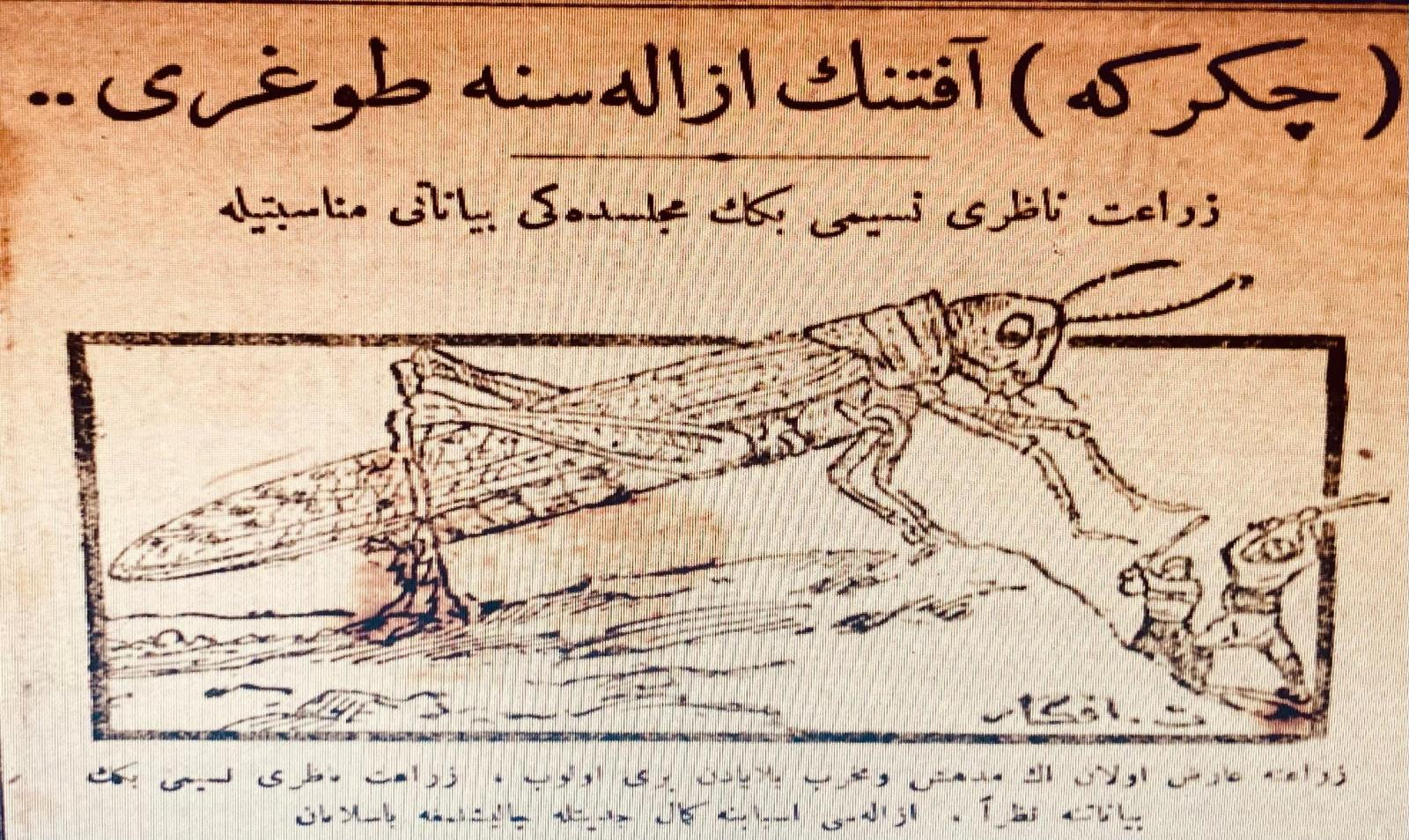
Locust invasions had severe effects in the Ottoman territories during the nineteenth century, as they did in many parts of the world. This disaster spread to nearly all regions of the empire in different years or in successive periods, placing the local population in extremely difficult conditions. In response, the foremost measures taken urgently by the state included immediate intervention in affected areas to prevent disruption to agricultural activities, avoid loss of life, and mitigate damage. In the Ottoman Empire, locust invasions were classified among natural disasters. The precautions adopted by the central government and the determined efforts of the local population played an important role in overcoming the disaster.
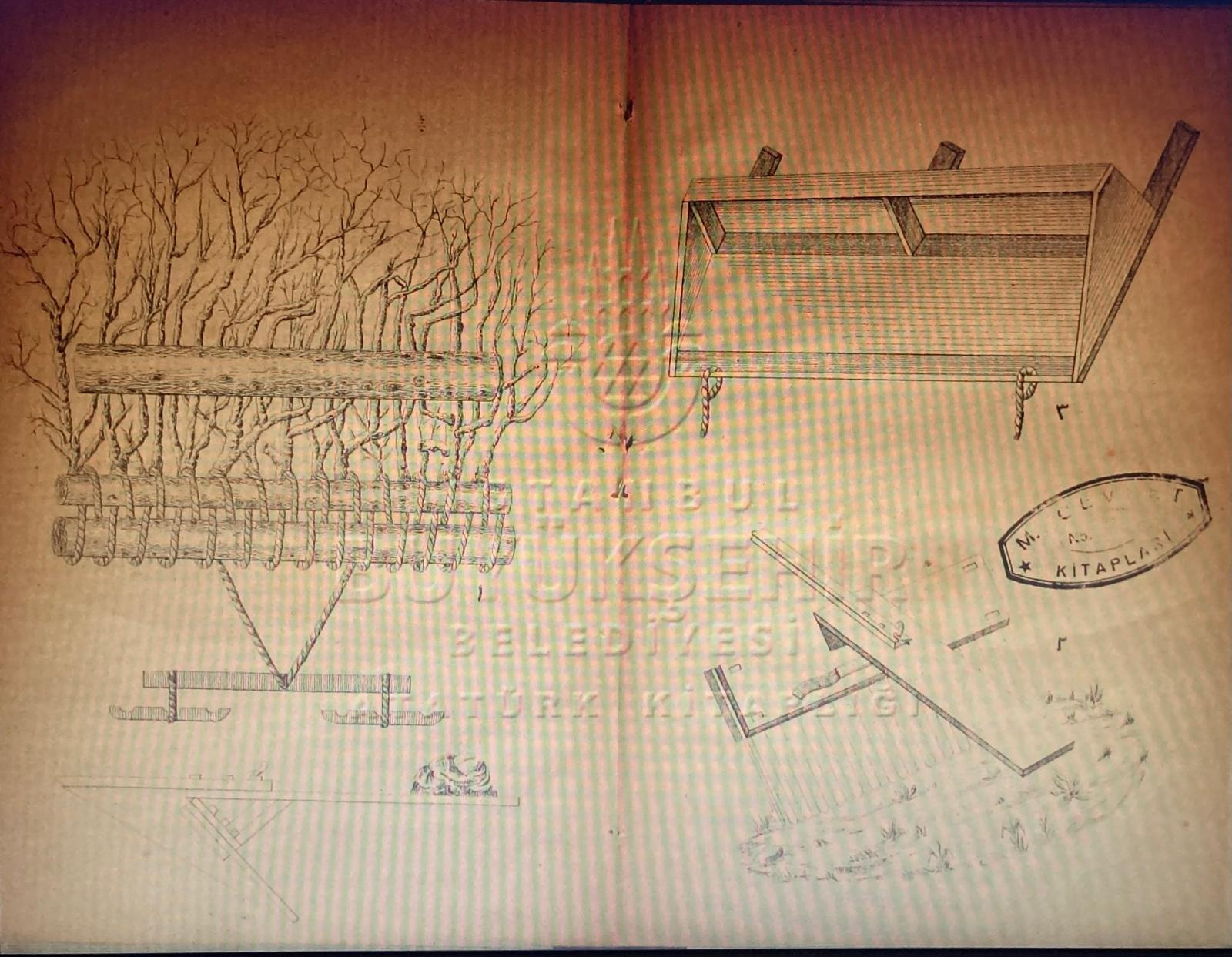
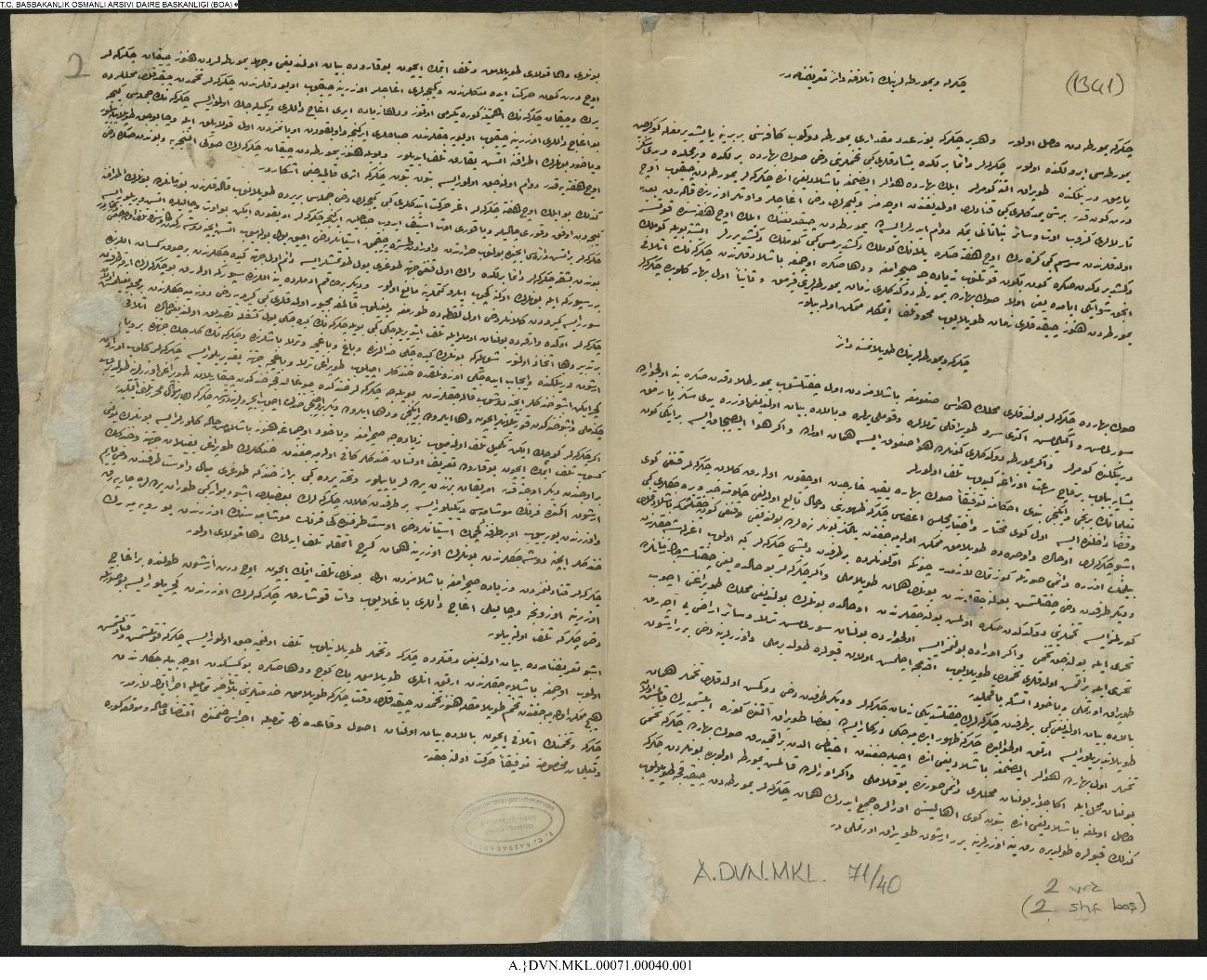
This study, titled Locust Invasions in the Ottoman Empire (1876–1908), evaluates on the basis of archival sources the regions and forms in which these invasions occurred, the measures implemented by the Ottoman state, the collective struggle of local communities, the methods of combating the infestations, the consequences of the disaster, and the aid provided by the state to affected regions. Although the political conjuncture and economic structure of the Ottoman Empire in the nineteenth century created significant challenges in responding to such disasters, the measures taken by the state were crucial both for preserving this structure and for meeting the needs of society. Economic insufficiencies and transportation problems hindered the rapid suppression of locust invasions and prolonged their duration. Consequently, these conditions led to regional migrations, the emergence of famines, and various forms of social unrest. In summary, this study examines locust disasters in the Ottoman Empire from multiple perspectives, with particular emphasis on their economic, social, and socio-psychological effects.
Keywords: Locust invasions, Nineteenth century, Ottoman geography, Famine, Environmental history, Ecology
Bekir Özgür (Doctorate thesis). Osmanlı Devleti'nde Meydana Gelen Çekirge İstilaları (1876-1908), 2026, pp. 1-300, Erzincan Binali Yıldırım University, DOI: https://doi.org/10.71008/ebyu.thesis.2026.143.