
 indexed
Performance evaluation of deep learning models for intrusion detection using network traffic
2026
92 pages
19 views
3 downloads
Advisor: Dr. Öğr. Üyesi Samet TONYALI
Abstract (EN)
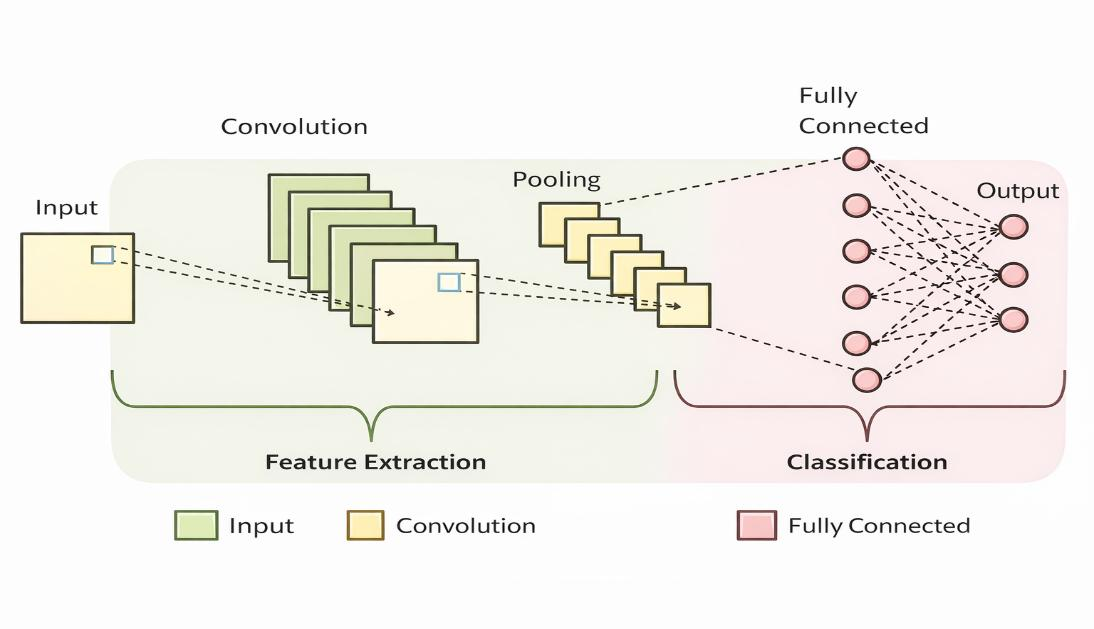
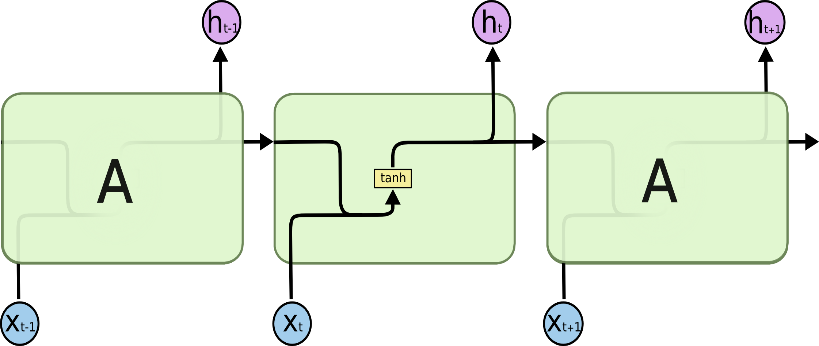
Digital infrastructures are growing rapidly and cyberattacks are becoming increasingly sophisticated. As a result, Network-based Intrusion Detection Systems have become a critical component of modern cybersecurity. Signature-based methods sometimes fail to detect new threats, where machine learning and deep learning can provide a valuable alternative. This study examines a one-dimensional Convolutional Neural Network and a hybrid model called CNN-BiLSTM, investigating how both architectures can detect network attacks in binary and multiclass classification settings. Both architectures were evaluated on the CIC-IDS2017 and UNSW-NB15 benchmark datasets through a rigorous experimental protocol incorporating stratified 5-fold cross-validation, Focal Loss, QuantileTransformer scaling, and SMOTE oversampling. Random Forest and XGBoost were additionally tested on UNSW-NB15 as classical baselines. The results show that CNN achieves near-perfect binary classification performance on CIC-IDS2017, with 99.75% accuracy and a ROC-AUC of 0.9999. CNN-BiLSTM reduces false negatives by approximately 36% in the binary UNSW-NB15 setting, albeit at the cost of 4–6 times higher inference latency. In multiclass classification, CNN outperforms CNN-BiLSTM on CIC-IDS2017 with a higher macro F1-Score (0.701 vs. 0.671). XGBoost achieves comparable F1 performance to deep learning models in significantly less training time, once again demonstrating the enduring value of ensemble methods. Minority attack class detection remains a fundamental unresolved challenge across all configurations, laying the groundwork for future research on class-wise threshold calibration and Transformer-based architectures. The findings provide actionable insights for practitioners choosing between deep learning and classical approaches under real-world NIDS deployment constraints.

Institution

How to Cite
Rachid Cheick Mohamed (Master Thesis). Performance evaluation of deep learning models for intrusion detection using network traffic, 2026, pp. 1-92, Gümüşhane University, DOI: https://doi.org/10.71008/gumushane.thesis.2026.207.
Figures & Images (49)




Keywords
DOI Status
Requested
Under Review
Approved
DOI Assigned
DOI & Cite
License
CC BY 4.0
This work is shared under the specified license terms.
More theses from Gümüşhane University
- RÜZGAR ENERJİSİ SANTRALİ İÇİN YER SEÇİM ANALİZİ: GİRESUN İLİ ÖRNEĞİ(2026)
- Francis Bacon's understanding of induction(2024)
- Investigation of the effects of the French contrast method, a post activation model, on jump force and speed performance in amateur handball players(2025)
- GÜMÜŞHANE DEVLET HASTANESİNDEKİ HEMŞİRELERİN AFET TEHDİDİ İÇİN PSİKOLOJİK HAZIRLIKLARININ BELİRLENMESİ(2026)
- Structure and theme in Sibel K. Türker’s novels(2026)
- Petrography and mineral chemistry of the Gölönü pluton (Kürtün-Gümüşhane-Türkiye)(2026)