
U-Pb geochronology, petrology and geodynamic significance of Ikizdere pluton (Northeast-Turkey)
2011
1 görüntülenme
0 i̇ndirme
Danışman: Doç. Dr. Orhan Karslı
Özet (EN)
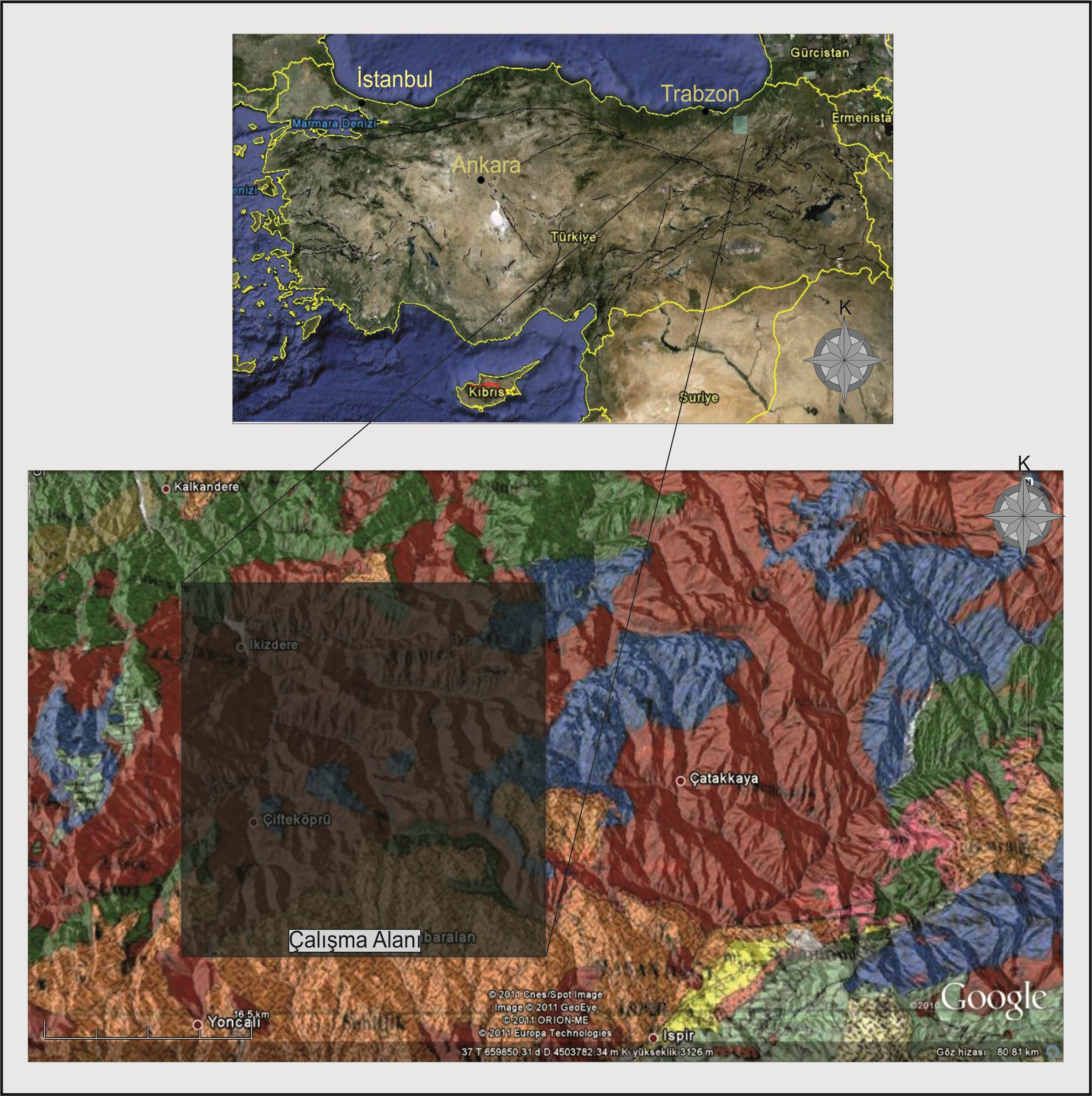
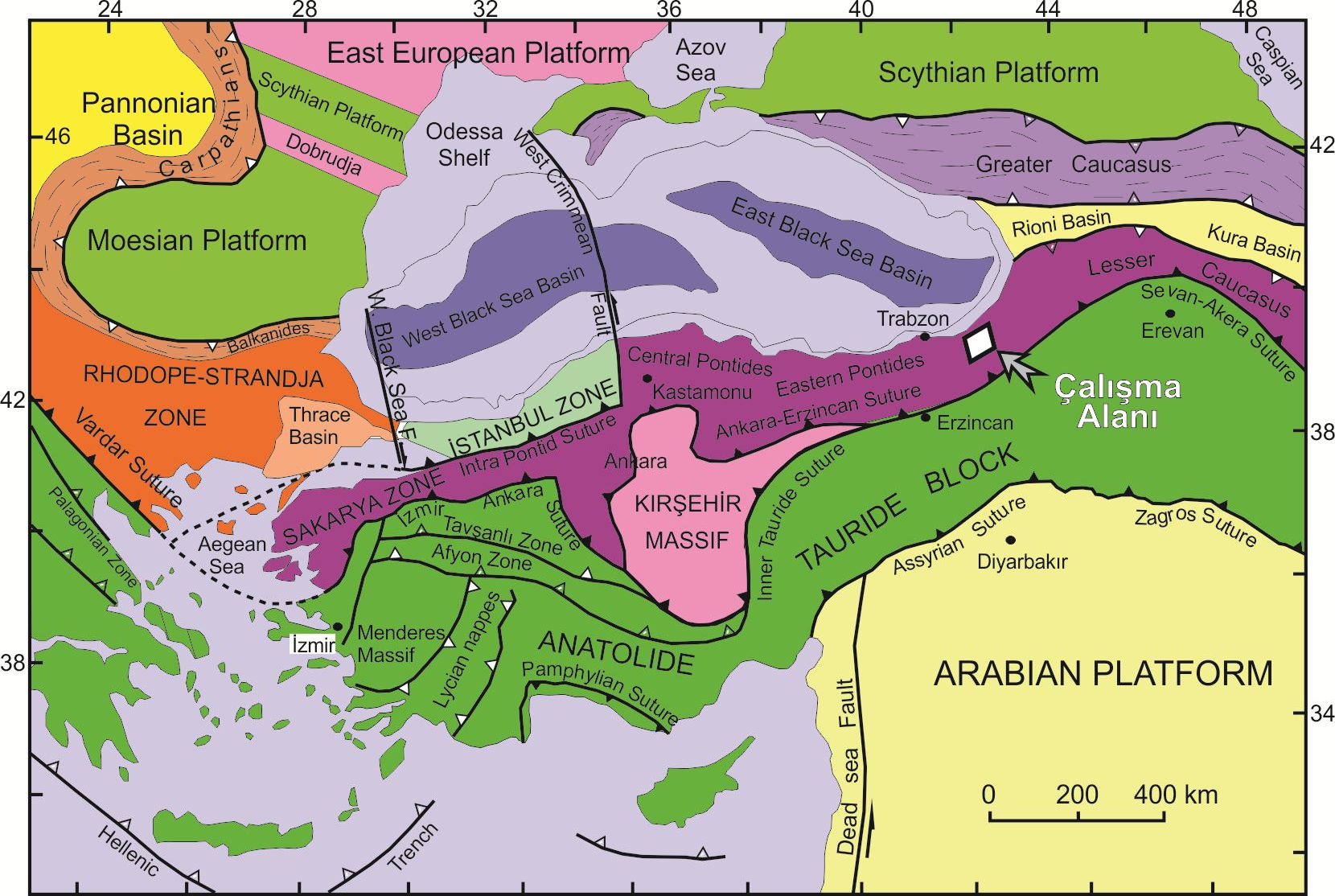
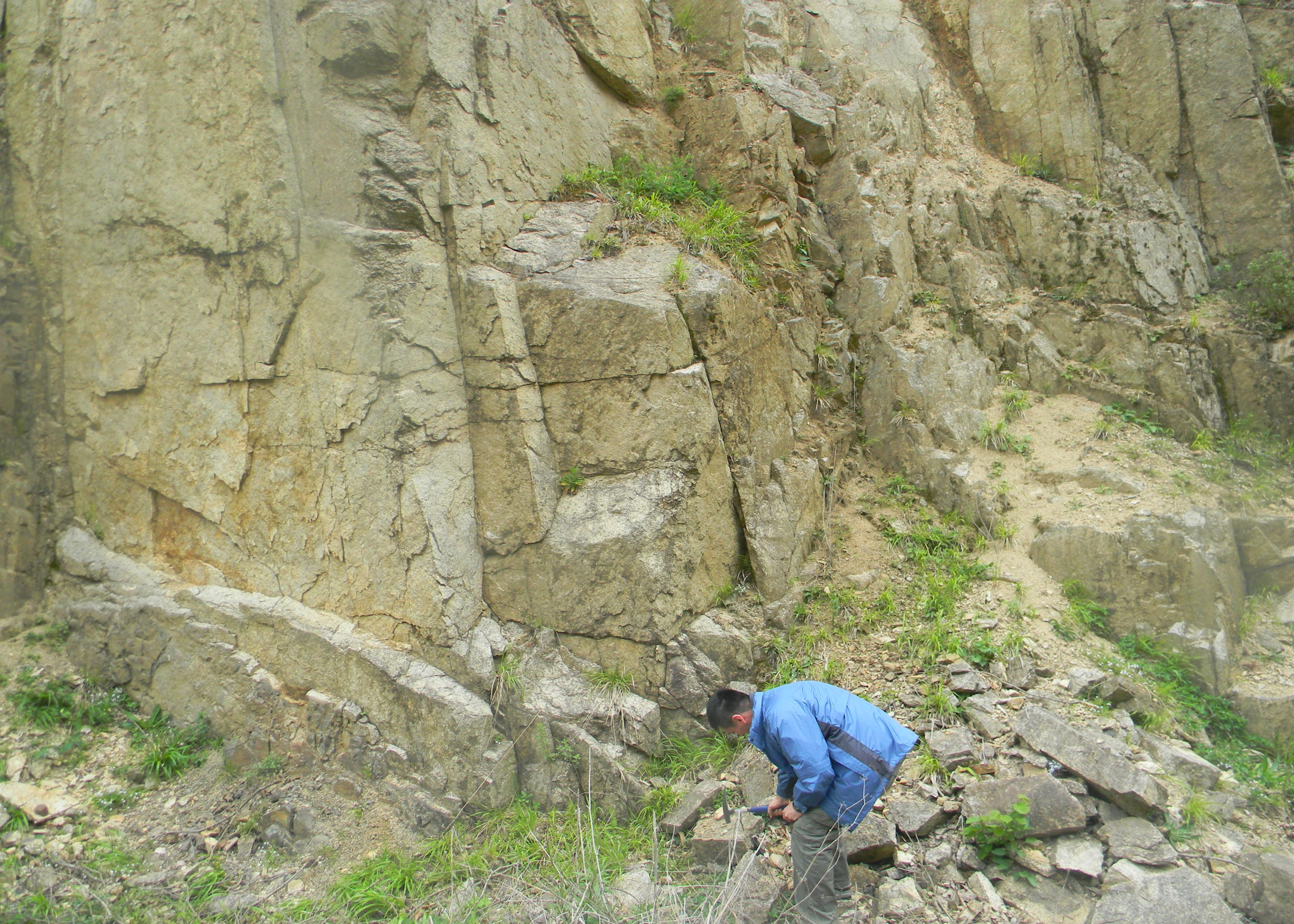
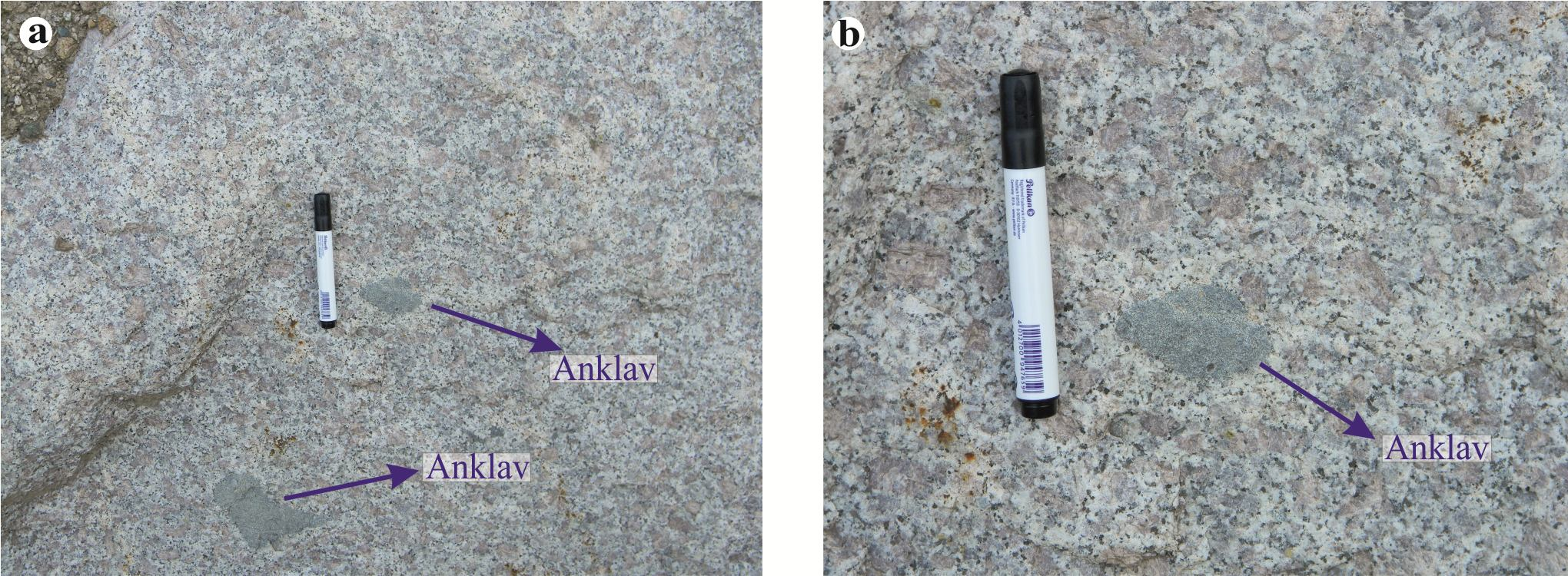
We present elemental data for the magmatic suite of the İkizdere pluton, from the Eastern Black Sea region (NE Turkey), with the aim of determining its magma source and geodynamic evolution. The pluton comprises granite, granodiorite, tonalite and minor diorite (SiO2=55.29-74.74 % ağ.), with only minor gabbroic diorite mafic microgranular enclaves in composition (SiO2=50.63-61.65 % ağ.), and exhibits low Mg# (<54). SHRIMP zircon U-Pb technique yielded the mean age of 76.21 ? 0.79 Ma, interpreted as dating magma crystallization. All samples show a high-K calc-alkaline differentiation trend and I-type metaluminous to peraluminous features. The chondrite-normalized REE patterns are fractionated [(La/Yb)n=2.43-16.40] and display weak Eu anomalies (Eu/Eu*=0.46-0.99). The rocks are characterized by enrichment of LILE and depletion of HFSE. These geochemical data rule out pure crustal-derived magma genesis in a post-collision extensional stage and suggest mixed-origin magma generation in a subduction setting. The melting that generated these high-K granitoidic rocks may have resulted from the upper Cretaceous subduction of the Izmir-Ankara-Erzincan oceanic slab beneath the Eurasian block in the region. The back-arc extensional events would have caused melting of the enriched subcontinental lithospheric mantle and formed mafic magma. The underplating of the lower crust by mafic magmas would have played a significant role in the generation of high-K magma. Thus, a thermal anomaly induced by underplated basic magma into a hot crust would have caused partial melting in the lower part of the crust. In this scenario, the lithospheric mantle-derived basaltic melt first mixed with granitic magma of crustal origin at depth. Then, the melts, which subsequently underwent a fractional crystallization and crustal assimilation processes, could ascend to shallower crustal levels to generate a variety of rock types ranging from gabbroic diorite to granite. Further, geochemical data and the SHRIMP U-Pb zircon ages, combined with regional studies, imply that the İkizdere pluton formed in a subduction setting and that the back-arc extensional period started by least ? 75 Ma in the Eastern Black Sea region.
Yazar
Dr. Özmen Evcimen

Bu Yayına Nasıl Atıf Yapılır
Özmen Evcimen (Master Thesis). U-Pb geochronology, petrology and geodynamic significance of Ikizdere pluton (Northeast-Turkey), 2011, Gümüşhane University.
Şekiller ve Görseller (14)


Anahtar Kelimeler
Lisans
Tüm Hakları Saklıdır
Bu eser belirtilen lisans koşulları altında paylaşılmaktadır.
Gümüşhane University tezlerinden daha fazlası
- RÜZGAR ENERJİSİ SANTRALİ İÇİN YER SEÇİM ANALİZİ: GİRESUN İLİ ÖRNEĞİ(2026)
- Francis Bacon's understanding of induction(2024)
- Investigation of the effects of the French contrast method, a post activation model, on jump force and speed performance in amateur handball players(2025)
- GÜMÜŞHANE DEVLET HASTANESİNDEKİ HEMŞİRELERİN AFET TEHDİDİ İÇİN PSİKOLOJİK HAZIRLIKLARININ BELİRLENMESİ(2026)
- Performance evaluation of deep learning models for intrusion detection using network traffic(2026)
- Structure and theme in Sibel K. Türker’s novels(2026)