
An Investment evaluation model for advanced manufacturing systems
1992
0 views
0 downloads
Advisor: Prof. Dr. Gönül Yenersoy
Abstract (EN)
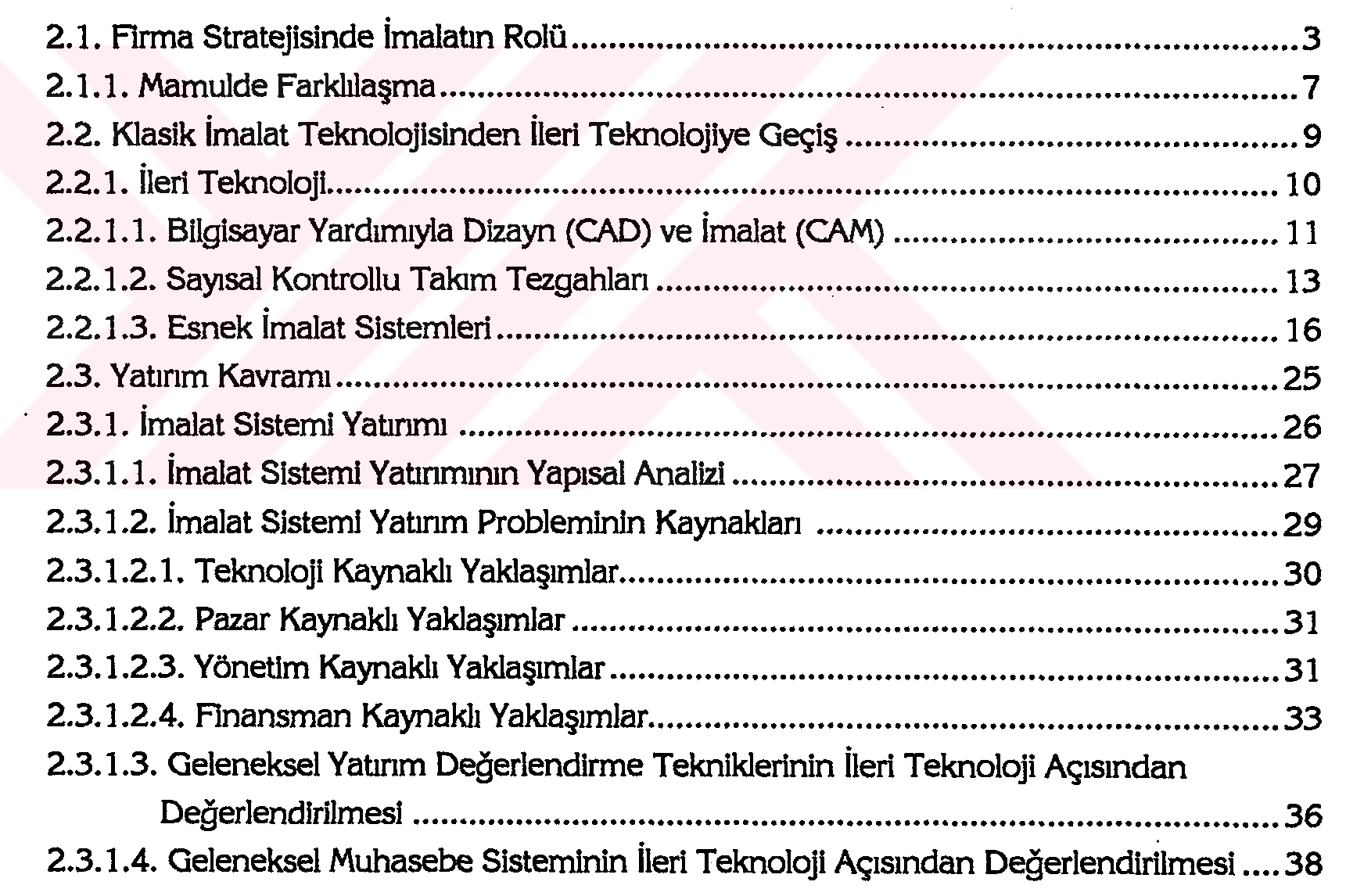
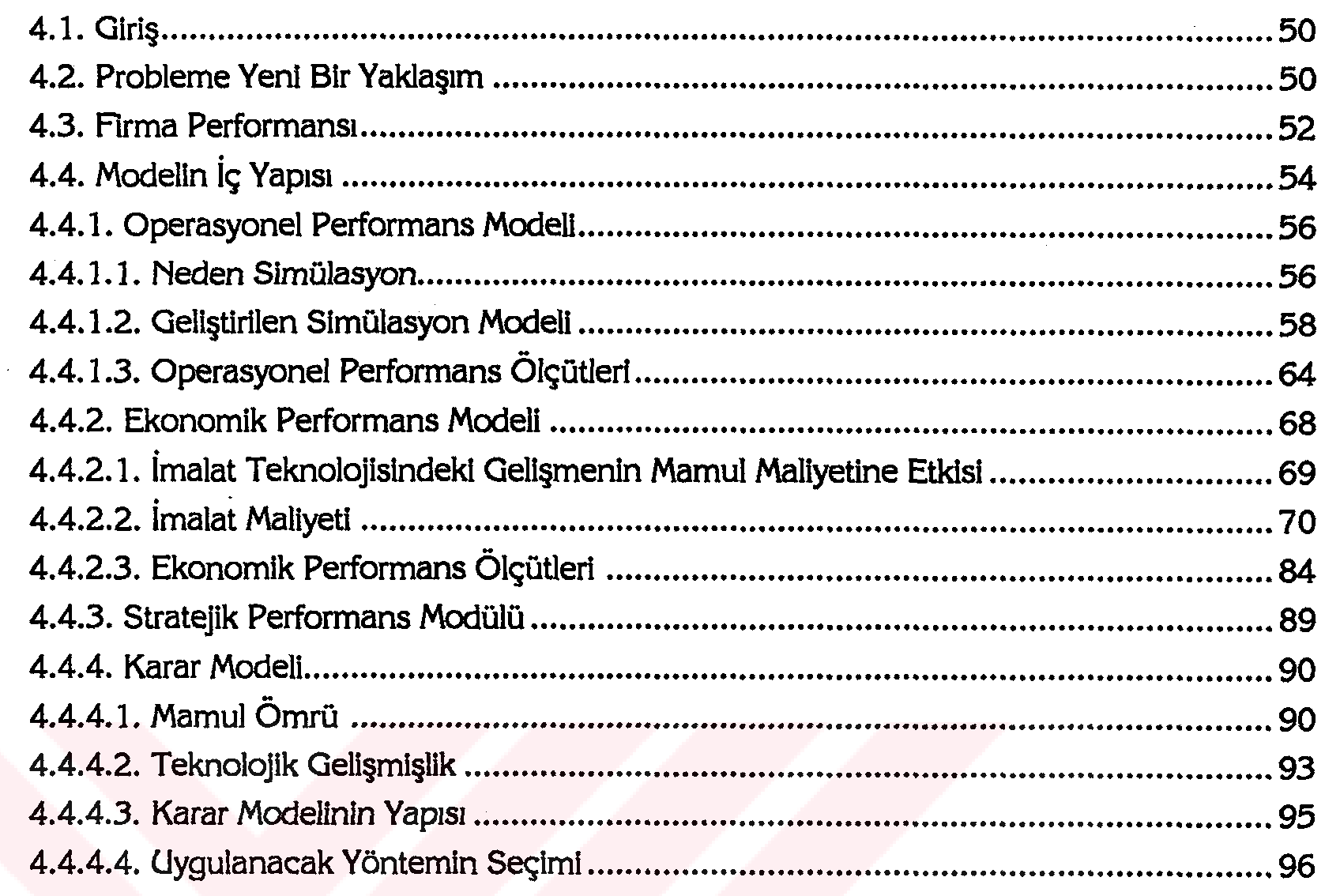
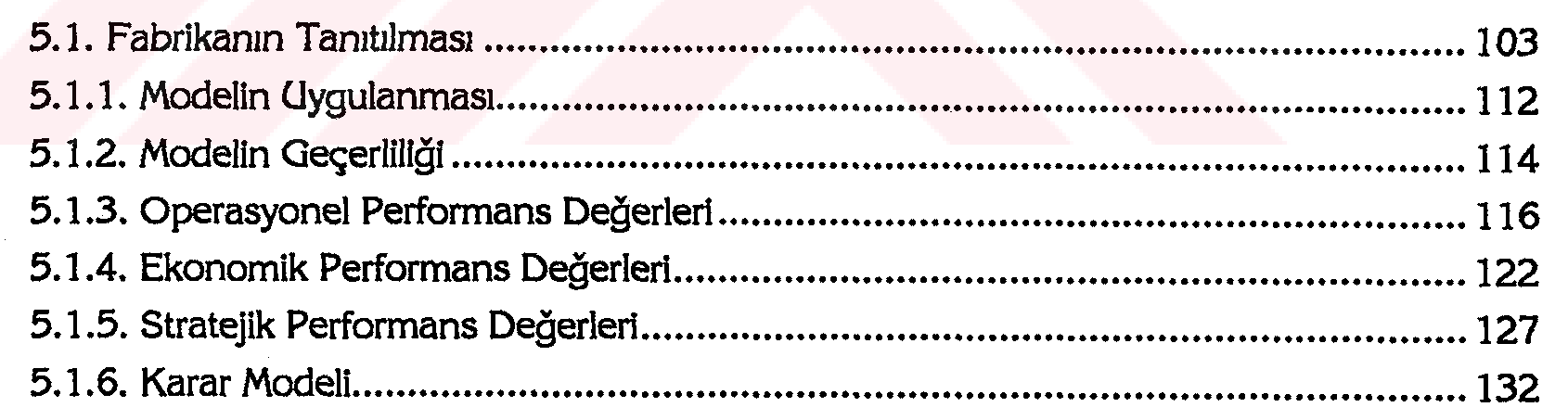
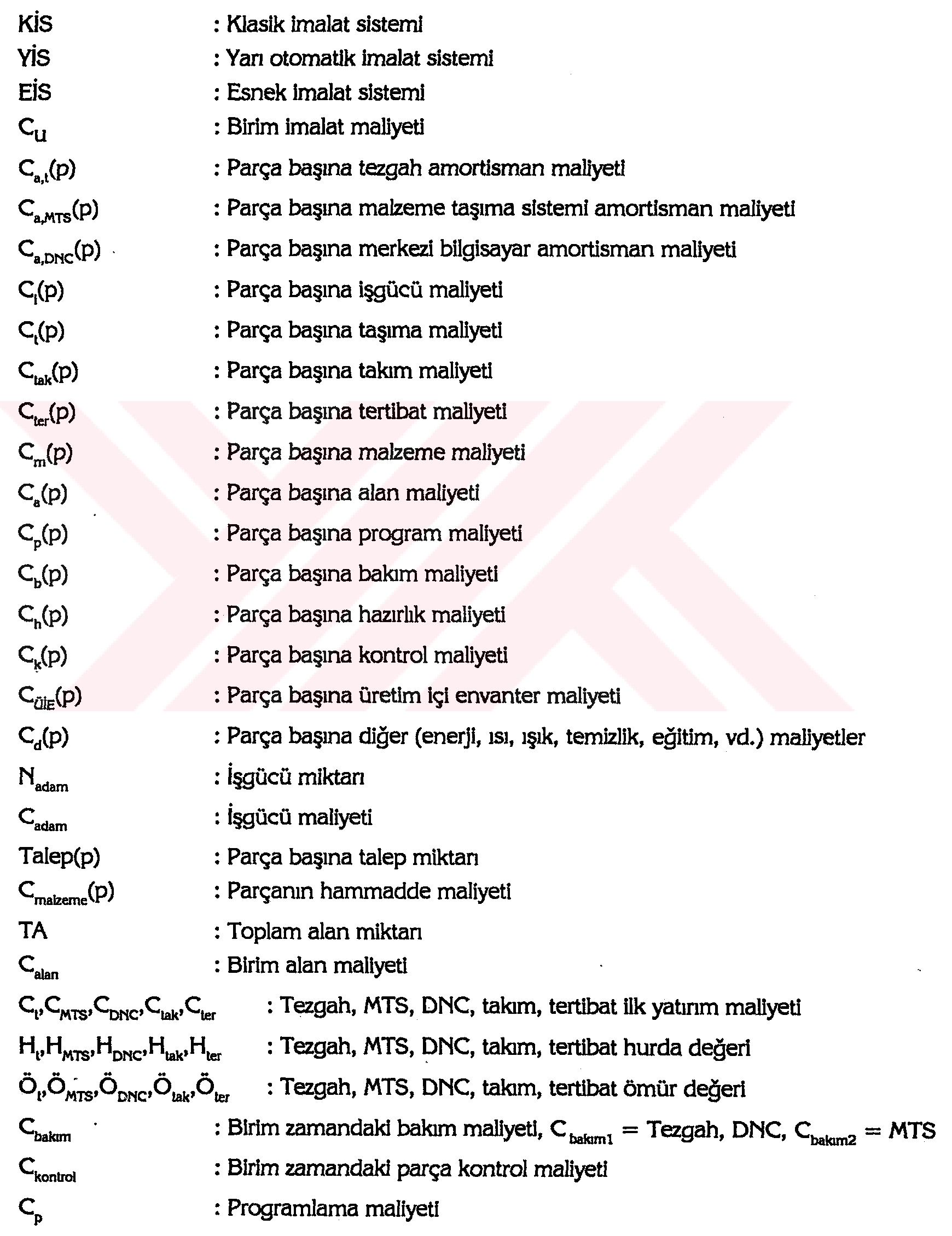
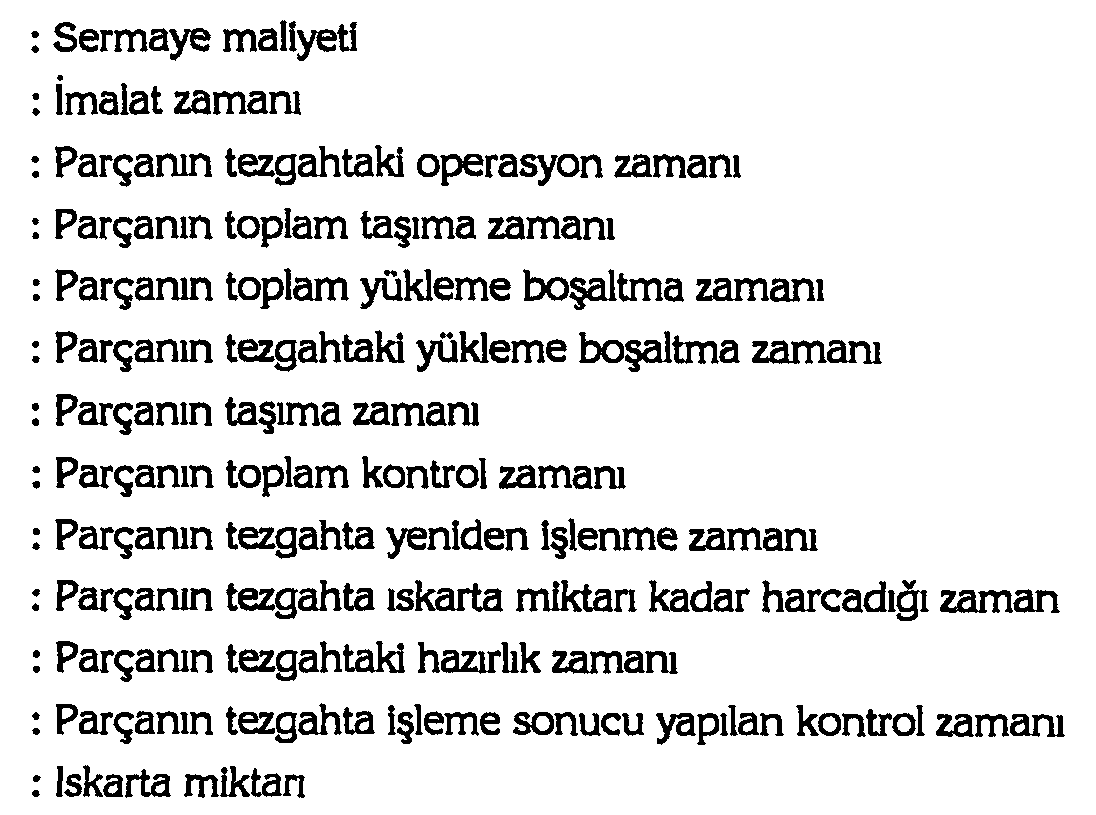
been taken over by indirect labor. Therefore the calculation has to be activity-based rather than direct labor-based. The proposed model was built to eliminate the setbacks of the traditional justification pro cedures of the investment of advanced manufacturing systems. The aim of the model is to help the company, which is operating in batches in the manufacturing industry, and which thinks to modernize its manufacturing system, realize the justification and make the decision. In the considered model, three manufacturing systems, which work with different rules, are as alternatives;classical systems, which have classical universal machine tools, semi-automatic systems and flexible manufacturing systems. Here a semi-automatic system is also considered as a passing stage to FMS. This gradual automation level change is advised to spread both high initial cost over time, and to adopt slower and better into the new system. The applicability of the model starts as soon as the company decides the timing of the modernization process. In addition, the physicalboundary of the model is limited by the manufac turing area where the equipment operates. So, the model inputs are only required for the factors which are directly related to the system. The proposed model, as can be seen below, consists of three submodels and one module; - Operational Performance Model - Economic Performance Model - Strategic Performance Module - Decision Model Operational Performance Model The aim of this model is to use the manufacturing data to form the most suitable system configurations for all alternatives which satisfy the operational performance criterion provided by company management, such as, capacity utility ratio, work in process inventory, manufacturing time, maximum queue etc. This model feeds the strategic module, economic performance and decision models, by its outputs. Simulation techniques, which are very useful for detailed analyses of manufacturing systems by proper representation and experimentation capability, was used to set the model. xiiiEconomic Performance Model The aim of this model is to use the configuration information and cost data to evaluate economical performance of all systems and transfer the outputs to a strategic performance module and decision model: In this model, the main criteria; unit cost, was calculated by activity based cost planning. The elements thought to contribute to unit cost are: Depreciation, labor, in spection, scrap and rework, material, space.maintenance, tool, fixtures, computer programming, work in process, inventory, overheads(energy, heating, light*cleaning etc. ), and set-up cost. The other criterion are selected by commonality in usage which are return on investment, payback period, net present value and total manufacturing cost. Strategic Performance Module This module as works by the outputs of the operational and economic performance mo dels to produce non-monetary information about alternative systems for the decision model. Quick delivery, delivery reliability and adoption into new manufacturing conditions are tested in the module. Another function of the module is sensitivity analyses of the systems. Decision Model In the investment decision, the present and the future situation of the market should be ta ken into consideration. The technology level of the company and product life cycle are used in combination as below, Saturated Market - Technology Leader Saturated Market - Technology Follower Growing Market - Technology Leader Growing Market - Technology Follower The model was built on the basis of Analytic Hierarchy Process Method. The output of the model are the priorities of the alternative systems in which the system with the highest priority is elected as an investment candidate. The model which was developed has the properties stated below. - The model can also be used to examine the situation of the present system. xvbeen taken over by indirect labor. Therefore the calculation has to be activity-based rather than direct labor-based. The proposed model was built to eliminate the setbacks of the traditional justification pro cedures of the investment of advanced manufacturing systems. The aim of the model is to help the company, which is operating in batches in the manufacturing industry, and which thinks to modernize its manufacturing system, realize the justification and make the decision. In the considered model, three manufacturing systems, which work with different rules, are as alternatives;classical systems, which have classical universal machine tools, semi-automatic systems and flexible manufacturing systems. Here a semi-automatic system is also considered as a passing stage to FMS. This gradual automation level change is advised to spread both high initial cost over time, and to adopt slower and better into the new system. The applicability of the model starts as soon as the company decides the timing of the modernization process. In addition, the physicalboundary of the model is limited by the manufac turing area where the equipment operates. So, the model inputs are only required for the factors which are directly related to the system. The proposed model, as can be seen below, consists of three submodels and one module; - Operational Performance Model - Economic Performance Model - Strategic Performance Module - Decision Model Operational Performance Model The aim of this model is to use the manufacturing data to form the most suitable system configurations for all alternatives which satisfy the operational performance criterion provided by company management, such as, capacity utility ratio, work in process inventory, manufacturing time, maximum queue etc. This model feeds the strategic module, economic performance and decision models, by its outputs. Simulation techniques, which are very useful for detailed analyses of manufacturing systems by proper representation and experimentation capability, was used to set the model. xiiiManufacturing System Alternatives Manufacturing Data Operational Performance Model Operational Parameters Operational Performance System Configurations 1 İÎ System Performance Module Cost Data Economic Performance Model Economic Parameters I Economic Performance Decision Model System Selection xivEconomic Performance Model The aim of this model is to use the configuration information and cost data to evaluate economical performance of all systems and transfer the outputs to a strategic performance module and decision model: In this model, the main criteria; unit cost, was calculated by activity based cost planning. The elements thought to contribute to unit cost are: Depreciation, labor, in spection, scrap and rework, material, space.maintenance, tool, fixtures, computer programming, work in process, inventory, overheads(energy, heating, light*cleaning etc. ), and set-up cost. The other criterion are selected by commonality in usage which are return on investment, payback period, net present value and total manufacturing cost. Strategic Performance Module This module as works by the outputs of the operational and economic performance mo dels to produce non-monetary information about alternative systems for the decision model. Quick delivery, delivery reliability and adoption into new manufacturing conditions are tested in the module. Another function of the module is sensitivity analyses of the systems. Decision Model In the investment decision, the present and the future situation of the market should be ta ken into consideration. The technology level of the company and product life cycle are used in combination as below, Saturated Market - Technology Leader Saturated Market - Technology Follower Growing Market - Technology Leader Growing Market - Technology Follower The model was built on the basis of Analytic Hierarchy Process Method. The output of the model are the priorities of the alternative systems in which the system with the highest priority is elected as an investment candidate. The model which was developed has the properties stated below. - The model can also be used to examine the situation of the present system. xv- The model is different from others in that it analyses the investment through three di mensions operational, economical and strategical - In the study it is believed that the investment is made not only for today but tomorrow as well. Therefore future manufacturing conditions are also tested. - Since the model is modular, it is flexible to expansion by additional modules. - The model takes account of not only monetary cost or benefits of system alternatives as evaluation, but non-monetary, strategic benefits well. - By emphasizing three different manufacturing system in the model, the importance of gradual automation was put forward. - In an investment decision it is extremely important for the health of the decision - maker with as much data as possible. Special attention is given about this issue in the model. xvi
Author
Dr. Tufan Vehbi Koç

How to Cite
Tufan Vehbi Koç (Doctorate thesis). An Investment evaluation model for advanced manufacturing systems, 1992, Istanbul Technical University.
Figures & Images (233)
License
Tüm Hakları Saklıdır
This work is shared under the specified license terms.
More theses from Istanbul Technical University
- Investigation Of Stretching Effect With Mixed Finite Element Formulations For Laminated Beams And Plates(2023)
- Classification of anemia using data mining methods: An application(2015)
- Removal and recovery of platinum group metals through anode slimes of moebius electrolysis(2015)
- A study of design approaches to Istanbul's city halls based on space syntax theory(2015)
- A II. German Empire project: From Kaiser Wilhelm Monument to German fountain(2015)
- Uzaktan algılama verilerinin yersel ölçümlerle entegrasyonu ile toprak tuzluluk haritalaması; Aşağı Seyhan Ovası, Adana, Türkiye(2015)